China Academy of Art
Overview
The China Academy of Art (CAA), established in 1928 near West Lake in Hangzhou, Zhejiang province, is recognized as the first art academy in China with a comprehensive academic program. Founded by the esteemed scholar and educator Cai Yuanpei, the academy was envisioned as a place where art education could replace superstitious beliefs with the pursuit of beauty, enriching the minds and hearts of individuals. Over the decades, the academy has grown into one of the most prestigious institutions for art education in China, earning the title "the cradle of modern art education in China." Today, it boasts three campuses in Hangzhou and serves over 9,000 students.
Historical Significance
The establishment of the China Academy of Art marked a significant milestone in the history of Chinese art education. It was revolutionary for its time, introducing Western artistic disciplines such as sculpture and design into its curriculum. The academy's founders, including prominent figures like Lin Fengmian, Pan Tianshou, and Li Keran, sought to blend Chinese traditions with modern Western art, a principle that continues to guide the institution.
The academy has been instrumental in the development and modernization of Chinese art. Modern ink master Pan Tianshou, who served as the head of the academy, played a pivotal role in elevating Chinese ink-brush painting during a period when traditional art forms faced a decline. His innovative approach to flower-and-bird painting revived interest in this genre, which had lost its appeal in the early 20th century.
Academic Philosophy and Contributions
The China Academy of Art is committed to fostering a unique blend of traditional Chinese art forms and contemporary practices. The institution emphasizes the importance of both classical and modern art, encouraging students to "work like craftsmen and think like philosophers." This philosophy is evident in its diverse curriculum, which spans traditional Chinese ink painting, calligraphy, seal engraving, oil painting, sculpture, animation, and modern design.
The academy has also been at the forefront of art education reform. In 1995, it became a pioneer in launching an undergraduate major in mixed-media painting, emphasizing "materials as the core and cross-genre approaches as the path." This initiative aimed to break down the barriers of traditional disciplines and foster innovation in art education.
Notable Alumni and Faculty
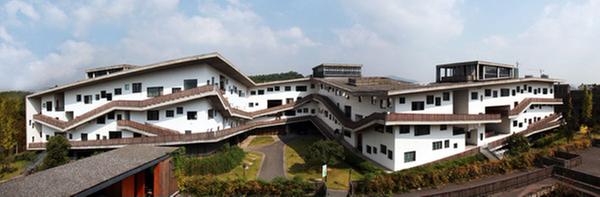
The academy has produced numerous renowned artists who have gained international recognition. Zao Wou-ki, a graduate of the academy, achieved global fame for his semi-abstract oil paintings that blend Western and Chinese aesthetics. Another notable alumnus, Wang Shu, established the academy's architecture department in 2007 and later became the first Chinese architect to win the prestigious Pritzker Prize in 2012. His design for the Xiangshan Campus, inspired by traditional Chinese countryside architecture, is now a popular tourist destination in Hangzhou.
The academy's faculty has included luminaries like Liu Kaiqu, a sculptor and educator who emphasized the importance of retaining a sense of freshness toward artistic subjects. Liu's contributions to art education and his role as the first director of the National Art Museum of China have left a lasting legacy.
Facilities and Museums
The China Academy of Art is home to several specialized museums and research centers that reflect its commitment to preserving and advancing art and culture. These include:
Zao Wou-ki Research Center: Established with works and documents donated by the artist's family, this center focuses on the study of Zao's contributions to art.
Chinese Calligraphy and Seal Research Center: Dedicated to the teaching and preservation of classical Chinese ink art, including calligraphy and seal engraving.
Xiao Feng Art Museum: Named after the 93-year-old oil painter Xiao Feng, this museum houses over 500 pieces of art donated by Xiao and his late wife, Song Ren, a former professor at the academy.
China Design Museum: Opened in 2018 on the Xiangshan Campus, this museum showcases a comprehensive collection of Western modern design works, including artifacts from the Bauhaus movement.
Legacy and Future
As it approaches its centennial, the China Academy of Art continues to honor its historic mission of revitalizing national art while embracing innovative contemporary practices. The academy's history has been compiled into a comprehensive 16-volume work titled "China Academy of Art: A Journey of 90 Years," reflecting its enduring impact on art education and culture.
Under the leadership of Xu Jiang, the academy has expanded its academic and cultural initiatives, including the construction of a new campus in Liangzhu, a town rich in ancient cultural heritage. This campus aims to integrate art and science, fostering interdisciplinary innovation.
The China Academy of Art remains a beacon of artistic excellence, blending tradition and modernity to inspire future generations of artists and scholars. Its commitment to cultural preservation, academic innovation, and international collaboration ensures its continued prominence in the global art community. Article reference1. Citywide celebration of culture. chinadaily.com.cn. 20242. Beacon of creativity. chinadaily.com.cn. 20183. Rocks and eagles soar from innovative brush strokes. chinadaily.com.cn. 20174. Chasing the shadows of cross-cultural living. chinadaily.com.cn. 20195. Bauhaus spirit lives on. chinadaily.com.cn. 2018Photo Gallery(19 pictures)CategoriesArtsTagCollegeArtistsRelatedPan TianshouCAA Art MuseumWest Lake Scenic AreaZhang GongqueCatalogue1. Overview2. Historical Significance3. Academic Philosophy and Contributions4. Notable Alumni and Faculty5. Facilities and Museums6. Legacy and Future- - - []








